Stalmac Enterprise provides industrial lifting and material handling solutions for businesses that move heavy equipment every day. In power plants and heavy engineering facilities, the crane you pick matters a lot. The machinery is expensive, the components are huge, and the working conditions are rarely easy. A well-planned crane installation keeps work flowing, cuts down on needless handling, and makes maintenance far less of a headache.
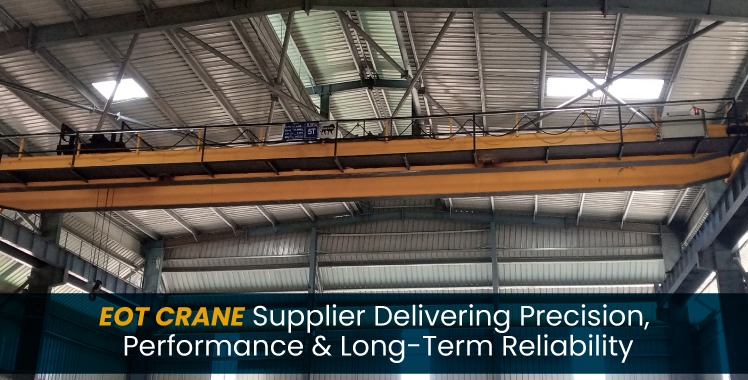
A Heavy Duty EOT Crane lifts and carries heavy loads across industrial buildings, production floors, assembly areas and maintenance workshops. But lifting capacity is only one part of the story. You also need to think about how often the crane will run, how high it has to lift, the span, safety features, the building structure, site conditions, and what it will cost to maintain over the years. Sorting these out before you buy helps you end up with equipment that fits how your plant actually works.
Power plants and heavy engineering facilities deal with components that a forklift or ordinary handling equipment simply can’t manage. An overhead crane moves loads in a controlled way across a fixed area, so large parts can be placed accurately during manufacturing, installation, repair and maintenance.
In a power plant, that could mean turbine components, generators, pumps, and valves. In an engineering workshop, the crane might shift fabricated structures, steel assemblies, industrial machinery, or big production components from one station to another.
What works best depends on your layout, your loads and your operating conditions. A poorly matched crane can limit movement, wear out parts faster, slow down work, and push up maintenance bills.
1. Choose the Correct Lifting Capacity
Lifting capacity is usually the first number buyers settle on. The crane has to handle the heaviest load you expect, both in day-to-day work and during planned maintenance.
Assess Actual Load Requirements
Before you ask anyone for a quotation, find out the weight and dimensions of what you’ll be lifting. Don’t forget lifting attachments, special handling gear, and the load’s centre of gravity, since all of these affect the capacity you need.
Here’s a common situation. A heavy engineering workshop may handle machine components of a few tonnes most days, then need to lift a far heavier assembly once in a while. If the crane is chosen only for the average load, those occasional lifts become a real problem.
Keep these points in mind:
The crane, the lifting accessories, and the supporting structure all have to suit the job.
2. Understand the Duty Classification
Duty classification describes how often a crane works and how hard its cycles are. Two cranes with the same lifting capacity can need completely different designs depending on workload.
Consider Operating Hours and Load Cycles
A crane that’s used now and then for equipment maintenance has very different needs from one that lifts all day long. Operating frequency, load spectrum, travel distance, and expected service life all shape the choice of motors, brakes, hoisting mechanisms, and other parts.
Power plant buyers should think about routine maintenance as well as major equipment replacement during scheduled shutdowns. In heavy engineering workshops, repeated movement of fabricated components can put more strain on the crane’s mechanical systems.
Talk through the expected workload with your supplier and confirm the right duty classification under the relevant design standard. If you choose only by maximum lifting capacity, you may end up with a crane that doesn’t suit the way you really use it.
3. Check Span, Lifting Height, and Headroom
The crane needs to fit inside your building and reach every spot where you need to lift, without clearance trouble.
Review the Available Space
Span is the distance between the centres of the crane runway rails. Lifting height is how high the load can go, and headroom is the vertical space available for the crane and its hoisting arrangement.
Before the design is finalised, check:
In a turbine hall, for instance, the crane may need enough clearance to pull out major components. A fabrication workshop, on the other hand, might need wider coverage to move material between several workstations.
Going over the building layout before you buy can save you from costly modifications later, and it confirms the crane can do what you bought it for.
4. Select a Suitable Crane Configuration
The configuration should match your loads, building dimensions, lifting height and operating needs.
Single-Girder or Double-Girder Crane
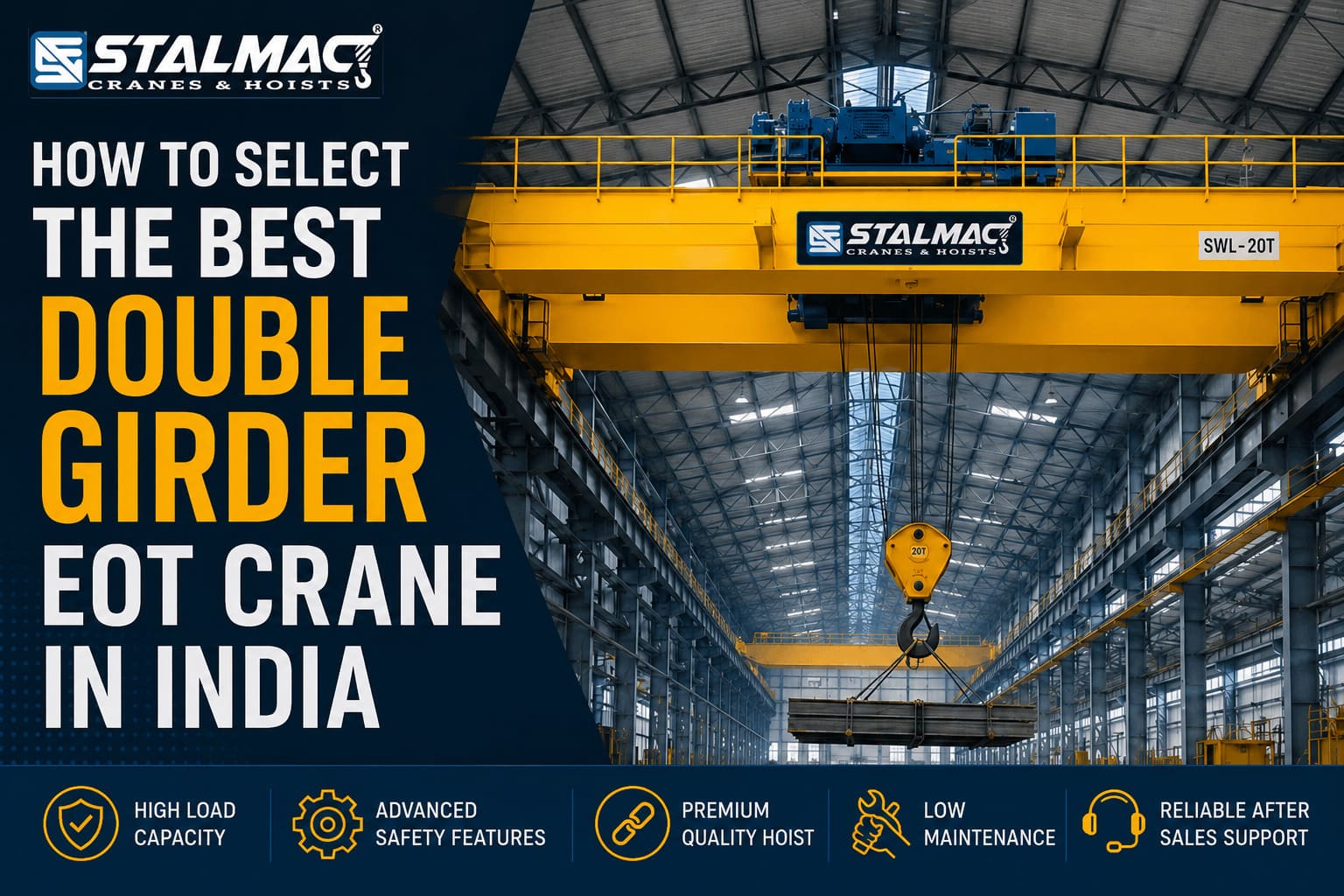
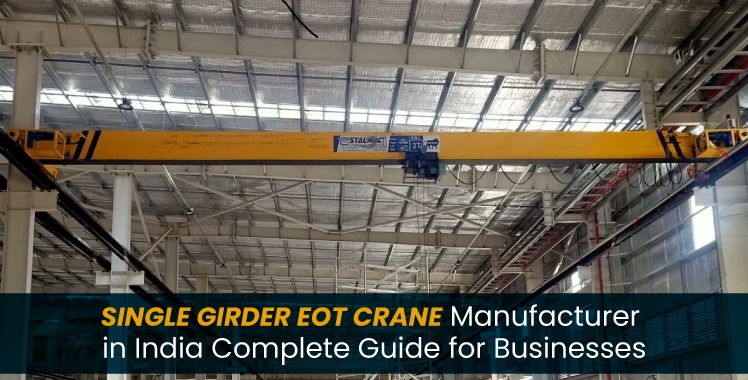
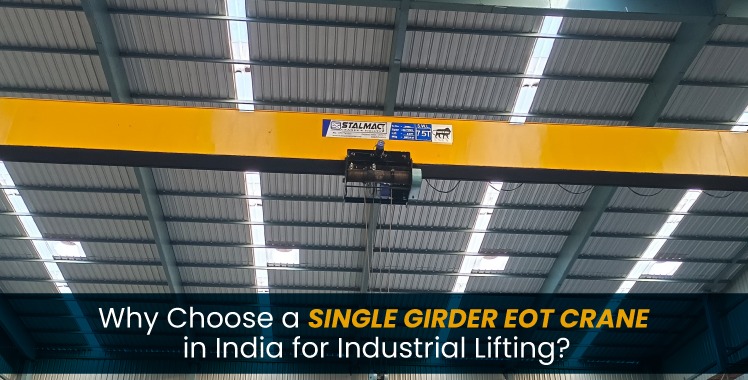
A single-girder crane can work well for moderate lifting needs when the building dimensions suit it. A double-girder crane is worth considering for heavier loads, demanding duty cycles, greater lifting heights, or specialised hoisting arrangements.
That said, double-girder isn’t automatically the better choice for every facility. Compare structural requirements, available headroom, trolley arrangements, maintenance access, and total project cost before you decide.
Evaluate the Hoist and Trolley
The hoist lifts and lowers the load and the trolley carries it along the crane bridge. Look at lifting speed, travel speed, braking performance and how precisely the load can be positioned.
Variable-frequency drives can help where smooth acceleration and deceleration matter. When they’re specified correctly, they reduce sudden jerks and make load positioning more accurate.
The aim is to get the performance you need without piling on complexity or cost.
5. Verify Structural Compatibility and Safety
An overhead crane passes its loads on to the runway system and the supporting structure, so the building has to be assessed before the crane design is approved.
Check Runway Beams and Support Columns
The structural assessment should cover vertical loads, horizontal forces, wheel loads and other relevant design conditions. Older buildings may need runway reinforcement, rail realignment, or changes to supporting members.
For a new industrial facility, it helps to bring the crane supplier and the structural engineer together early in the design stage. That usually cuts down on installation problems.
Safety features deserve just as much attention. Depending on your application, look for:
Overload protection.
Hoisting and travel limit switches.
Reliable braking systems.
Emergency stop controls.
Audible or visual warning devices.
Suitable electrical protection.
Travel and collision protection where required.
The equipment should meet applicable standards and your site’s safety rules. Proper installation, testing, operator training and regular inspection are also needed to keep operations safe.
6. Consider the Working Environment
Power plants and engineering facilities can expose a crane to high temperatures, dust, humidity, vibration, or outdoor weather. All of this affects how well electrical and mechanical components perform and how long they last.
Match Equipment to Site Conditions
Work out the conditions the crane will face before you pick it. Hot areas may call for components with the right temperature rating, and dusty locations may need proper enclosures and a maintenance plan to go with them.
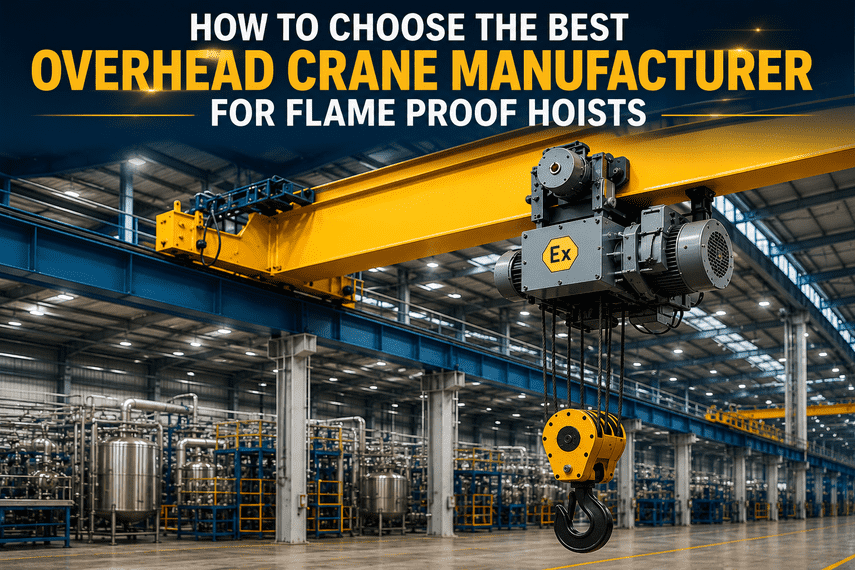
Outdoor installations may need extra provisions for wind and weather. If flammable gases or combustible dust are present, a formal assessment must decide what equipment classification and protection measures are required.
Give the supplier these details before manufacturing starts. Choosing the right components at the planning stage helps you avoid expensive changes down the line.
7. Compare Maintenance and Long-Term Costs
The purchase price isn’t what a crane really costs you. Maintenance, spare parts, inspections, energy use, and downtime all add up over time.
Plan for Reliable Operation
Ask the supplier about maintenance schedules, replacement parts, warranty coverage, technical support, and whether operating manuals are available. Motors, brakes, gearboxes, wire ropes, chains, wheels, and bearings all need proper inspection and servicing.
Your preventive maintenance plan should follow the manufacturer’s recommendations, your operating conditions, and any applicable regulations.
When you compare suppliers, Stalmac Enterprise can be looked at alongside other suitable providers on technical specifications, documentation, warranty terms, and the support your project needs. Compare the whole offering, not just the first quotation.
8. Prepare a Detailed Technical Specification
A clear technical specification helps suppliers recommend the right equipment and send you quotations you can actually compare.
Before you request a proposal, gather this information:
You can approach Stalmac Enterprise to talk through your industrial lifting requirements and work out a suitable crane configuration from the technical information you have.
1. What is a Heavy Duty EOT Crane used for?
It lifts and moves heavy machinery, industrial components, fabricated structures, and equipment across set areas in power plants, manufacturing facilities, and heavy engineering workshops.
2. How do I choose the correct lifting capacity?
Look at the heaviest loads, lifting attachments, component dimensions, operating frequency, and load characteristics. A qualified crane designer should verify the final capacity and the supporting structure.
3. Is a double-girder crane suitable for power plants?
It can be, especially for heavy equipment, demanding lifting cycles, or specialised loads. The final choice depends on capacity, span, lifting height, building conditions, and how the crane will be used.
4. Which safety features should an industrial crane have?
Depending on the application, key features include overload protection, limit switches, reliable brakes, emergency stop controls, and suitable electrical and travel protection systems.
5. Why is duty classification important?
It matches the crane’s design to its expected workload, operating cycles, and service needs. The right classification supports reliable operation under your actual working conditions.
Picking the right overhead crane for a power plant or heavy engineering facility means weighing several things together: lifting capacity, duty classification, building dimensions, structural compatibility, safety, environmental conditions, and maintenance costs. Each one affects how well the crane supports your daily operations and planned maintenance.
Before you buy, look at your real workload, review the building structure, compare complete technical proposals, and confirm what installation and after-sales support are included. These steps help you make an informed decision and avoid unnecessary costs.
Looking for a suitable crane for your power plant or heavy engineering facility? Contact Stalmac Enterprise to discuss your lifting capacity, site requirements, and industrial material handling needs.