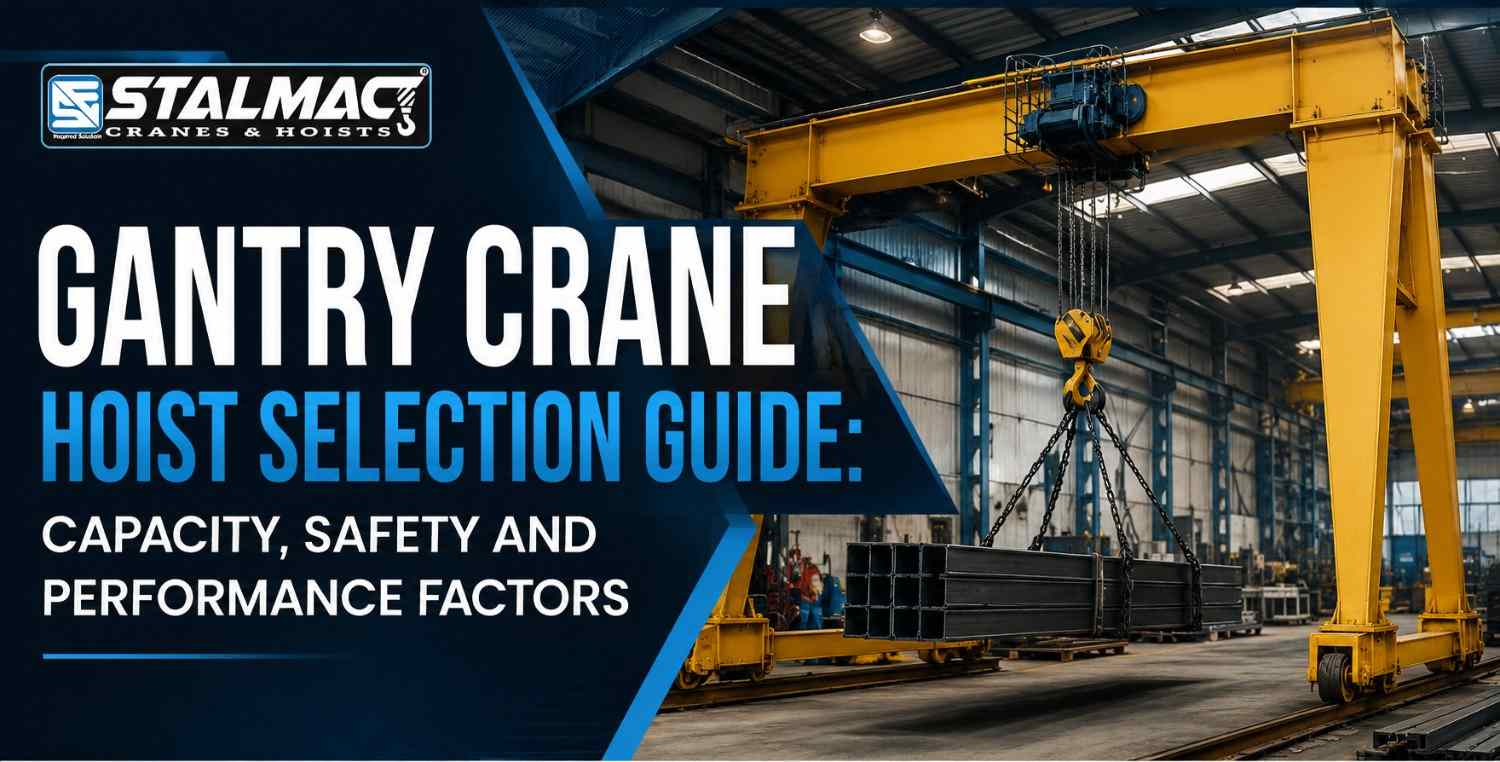
If you've ever stood on a shop floor and watched a crane struggle with a load it clearly wasn't built for, you already know why hoist selection matters this much. It's not the most exciting part of buying a gantry crane. Nobody gets excited talking about duty cycles but it's honestly the one decision that decides whether your lifting setup runs trouble-free for the next ten years or starts acting up within the first few months.
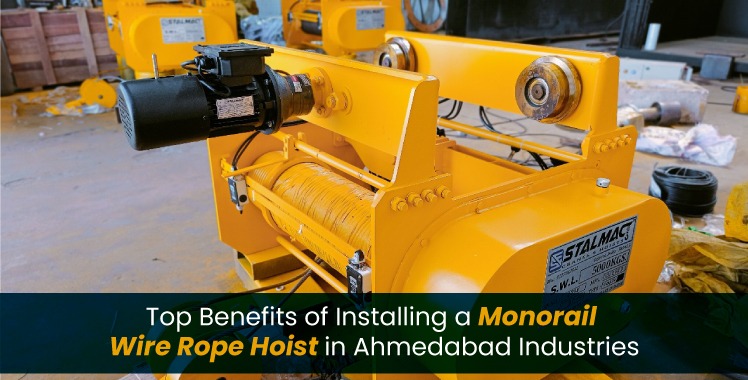
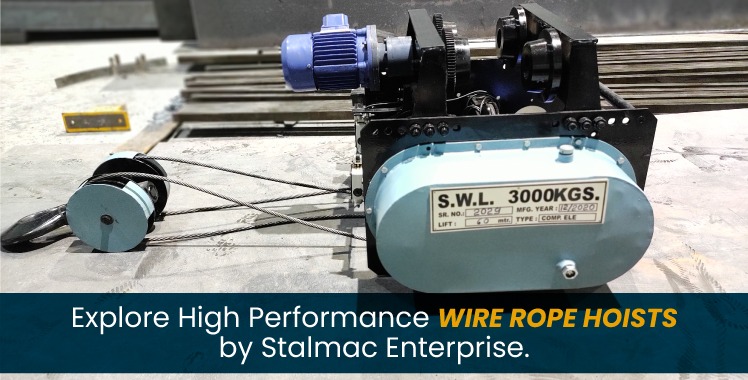
Think of the hoist as the actual working heart of the crane. It's the part doing the real work lifting, holding, moving the load while the rest of the structure just gives it a frame to move on. Get the hoist wrong, too small, too slow, or missing a safety feature it really needed, and you're setting yourself up for overloading risks, parts wearing out faster than they should, and downtime nobody planned for or budgeted. It's one of the reasons most serious Gantry Crane Manufacturers in India don't treat the hoist as just another add-on, it gets specified separately, based on what the job actually demands.
This guide covers what actually matters when picking a gantry crane hoist capacity, duty cycle, safety systems, and the performance details that decide whether a hoist holds up over the years or starts giving trouble early. Whether you're setting up a new line, expanding a warehouse, or finally retiring an old crane that's had a long run, hopefully this helps you ask the right questions before signing off on anything. It's more or less the same conversation our team at Stalmac Enterprise has with clients before we recommend a hoist for their setup figuring out the actual job first, then the equipment.
What Exactly Is a Gantry Crane Hoist?
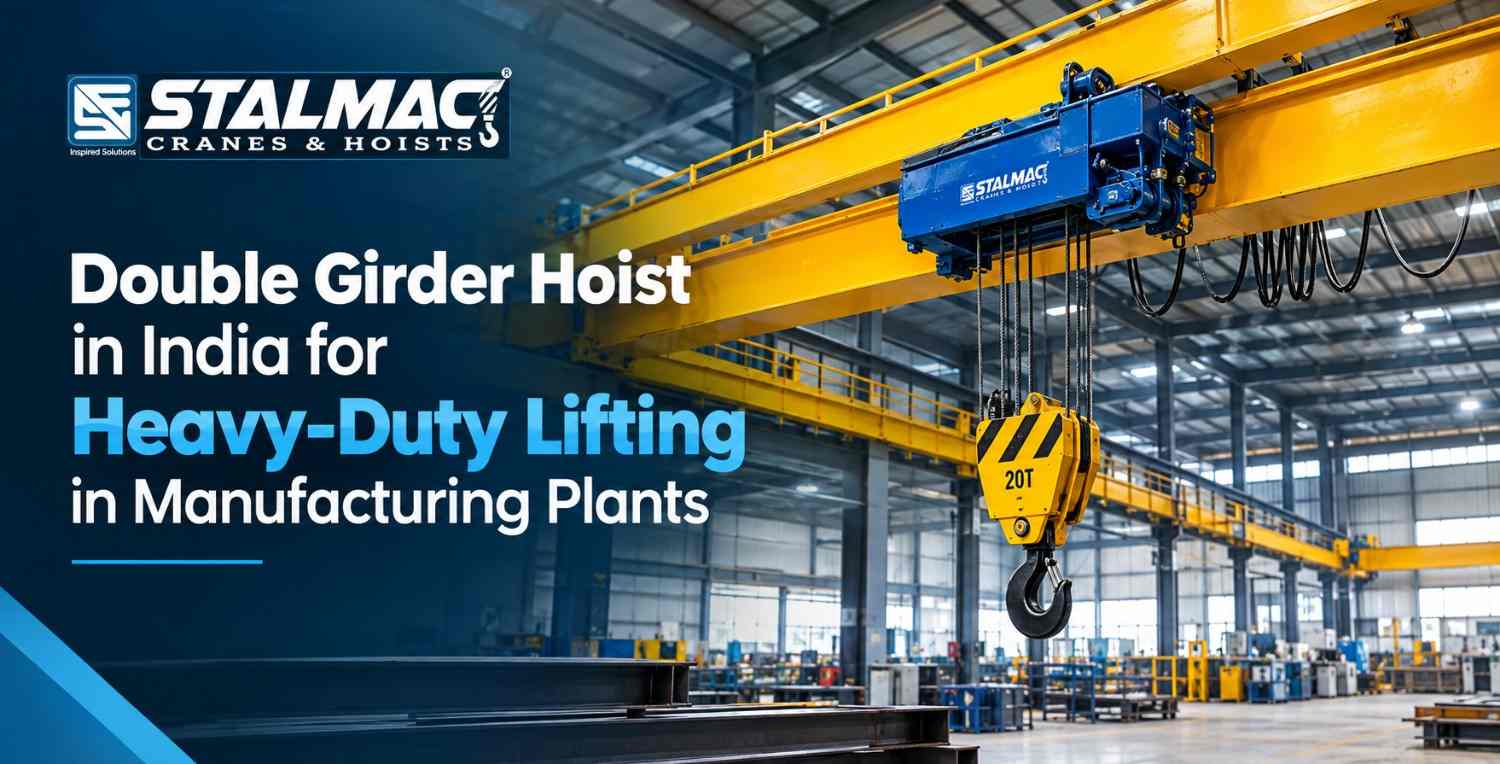
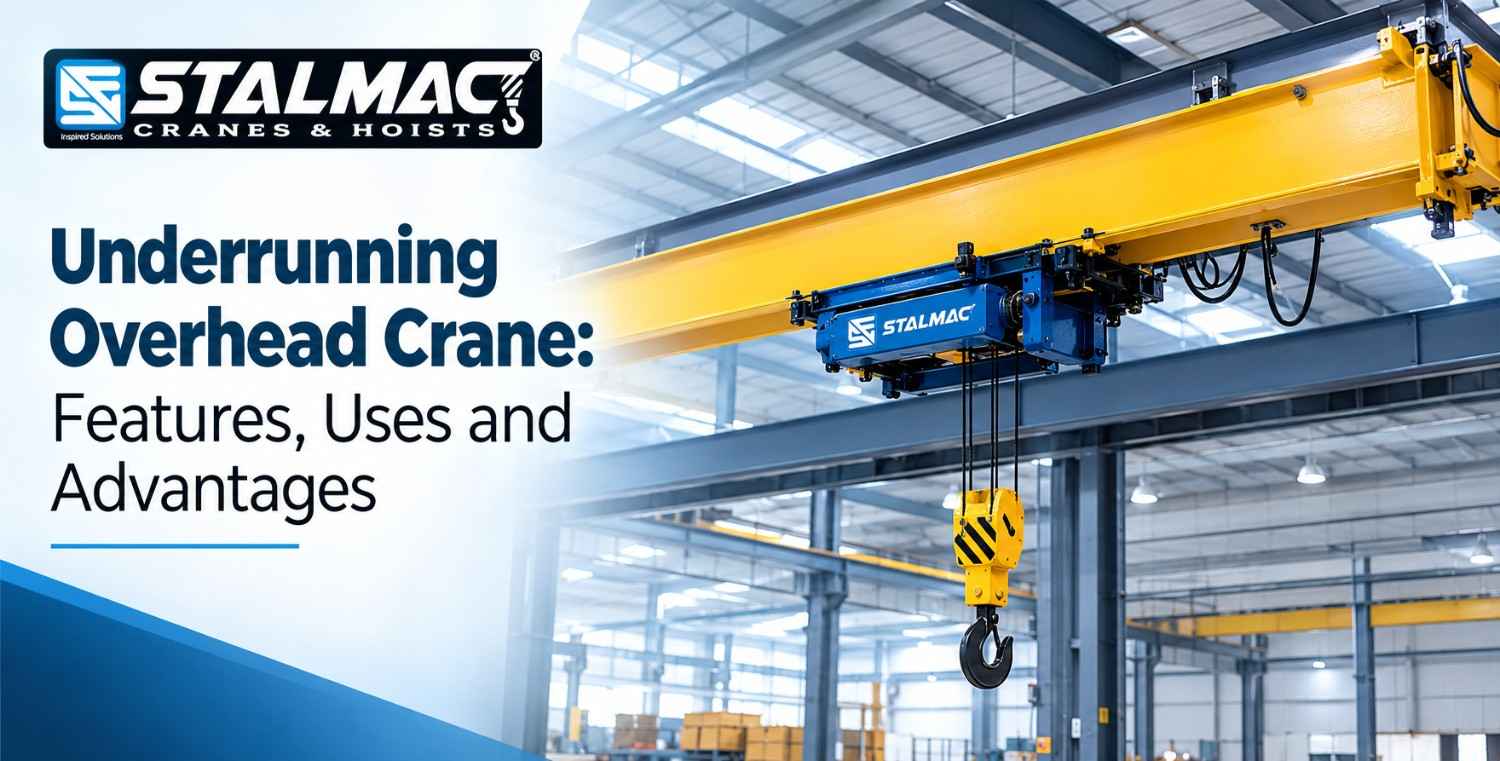
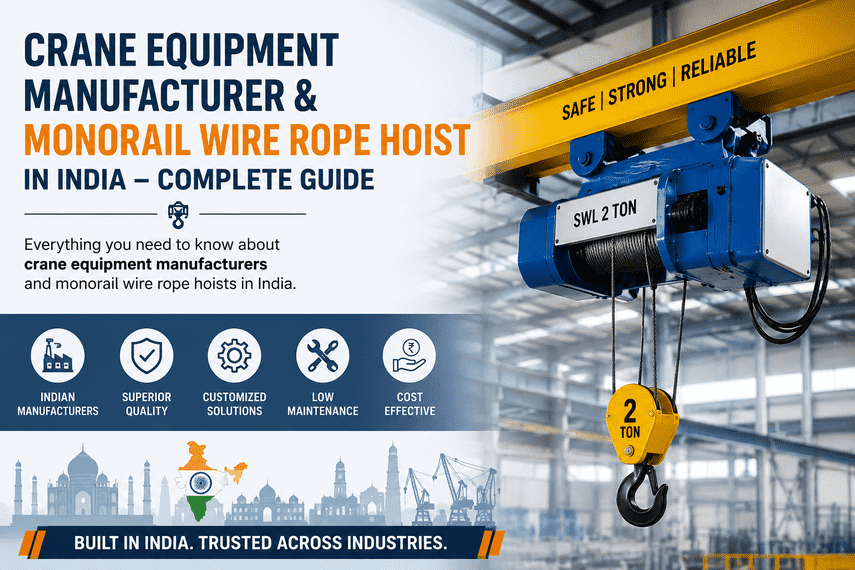
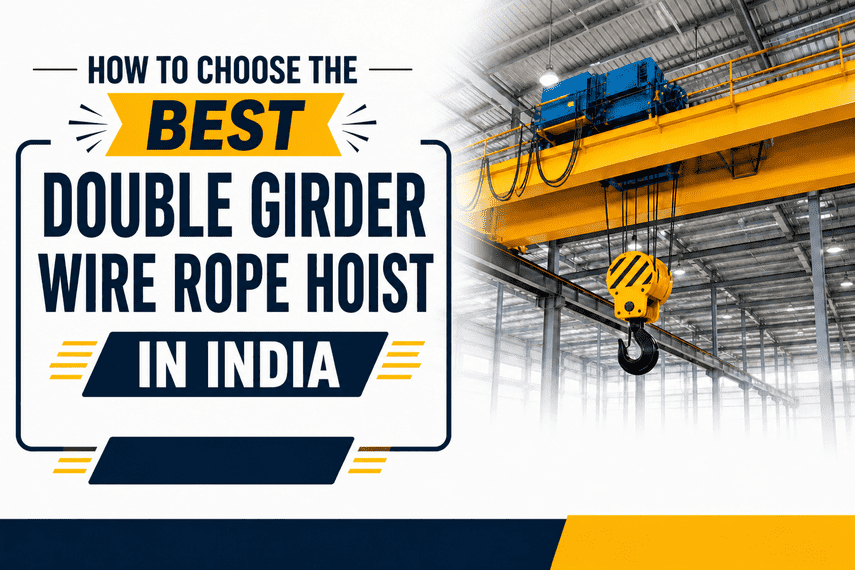
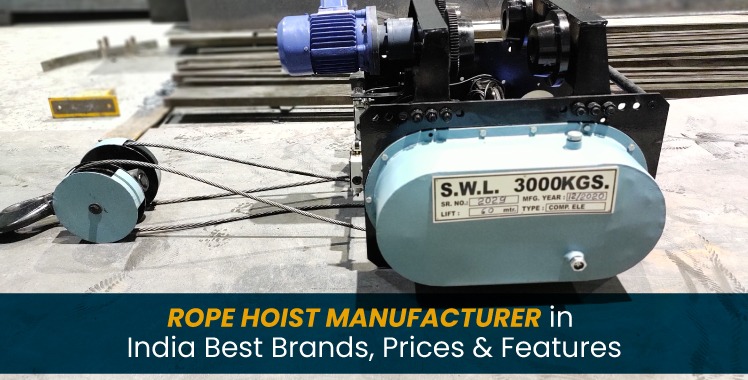
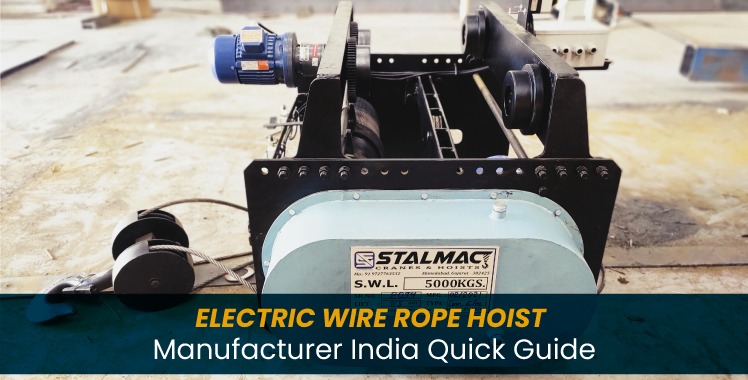
In simple terms, it's the lifting mechanism mounted on the crane's bridge girder, usually a wire rope or chain hoist, driven by an electric motor, that raises, lowers and moves loads along the length of the beam. The legs, wheels, and girder give the crane its structure and mobility, but the hoist is doing the actual heavy lifting, literally.
Because it's the part in direct contact with the load, its capacity, speed, and control features have a much bigger impact on day-to-day safety and productivity than most people realize. A lot of procurement mistakes come down to picking a hoist based on price or availability, without really thinking through whether it fits the operation.
What to Look at Before You Choose a Hoist
1. How Much Weight Are You Actually Lifting?
This sounds obvious, but it's where a surprising number of people go wrong. Every hoist has a rated maximum load, and that number should never be treated as something you can push right up against. A sensible approach is to pick a hoist whose rated capacity comfortably covers your heaviest expected load, not just your average lift, but the occasional heavier one too.
It's also worth thinking a step ahead. If your production is likely to grow over the next few years, going slightly higher on capacity now can save you the hassle and cost of swapping equipment later. Most established Gantry Crane Manufacturers in India offer capacities anywhere from 1 ton, suitable for a small workshop, up to 100 tons for heavy industrial use so there's usually a fit for whatever scale you're working at.
2. Duty Cycle, How Hard Will It Actually Work?
Duty cycle is just a technical way of asking, how often and how intensely will this hoist be used? A hoist doing a handful of lifts a day in a small fabrication unit has a very different life ahead of it compared to one running continuous shifts in a steel mill.
Hoists are generally rated from light duty (occasional use) through to heavy duty (near-constant operation with frequent starts, stops, and full-load cycles). If you pick a hoist rated for lighter work but put it through heavy daily use, you'll see faster wear on motors, brakes, and gearboxes and more breakdowns than you'd like. Matching the duty class to how the crane will really be used is one of the easiest ways to avoid unnecessary maintenance headaches down the line.
3. Lifting Height and Span
The height your hook needs to travel, and the span between the crane's support legs, both need to match your facility's actual layout not just what looks good on paper. Ceiling clearance especially can be a limiting factor in older buildings or rented spaces.
For sites with tight headroom, a low-headroom hoist design can help you get more usable lifting height without having to touch the roofline or make structural changes. This tends to matter a lot more than people expect, particularly in older industrial sheds.
4. Single Girder or Double Girder?
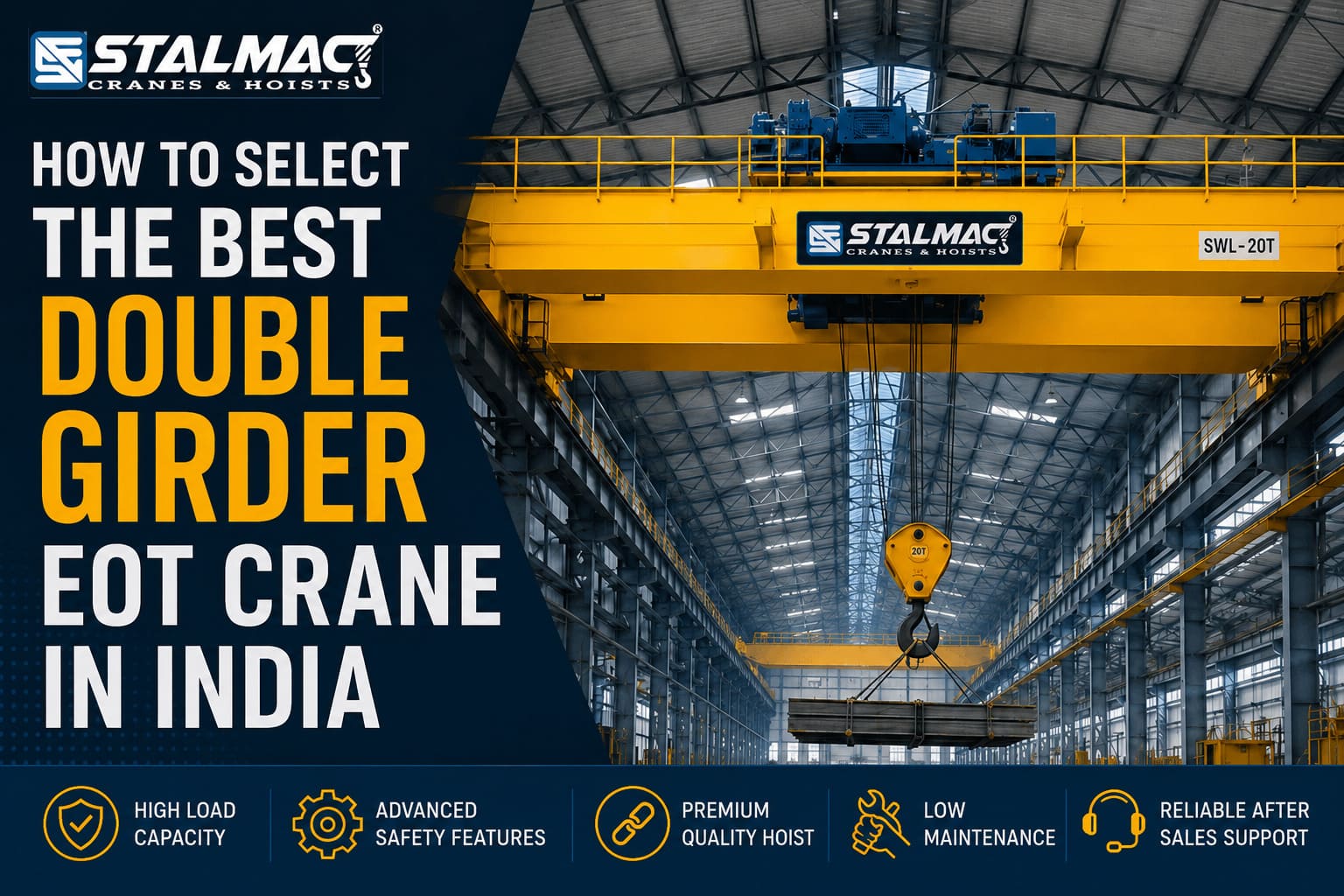
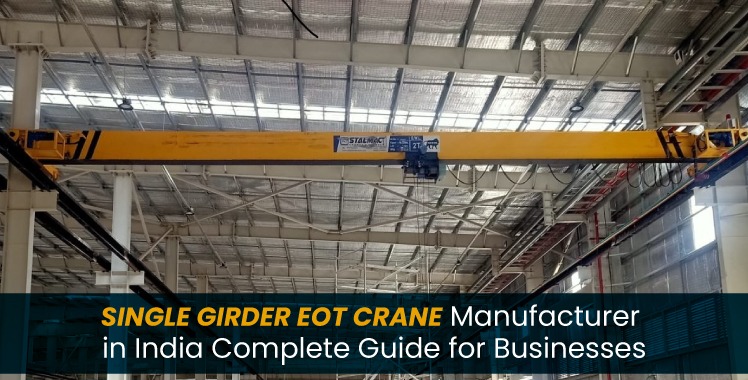
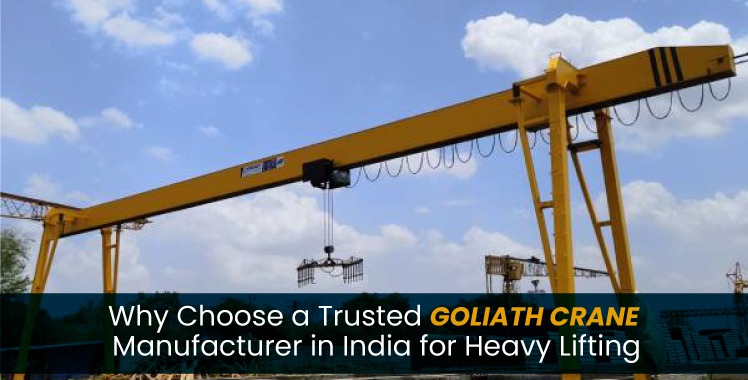
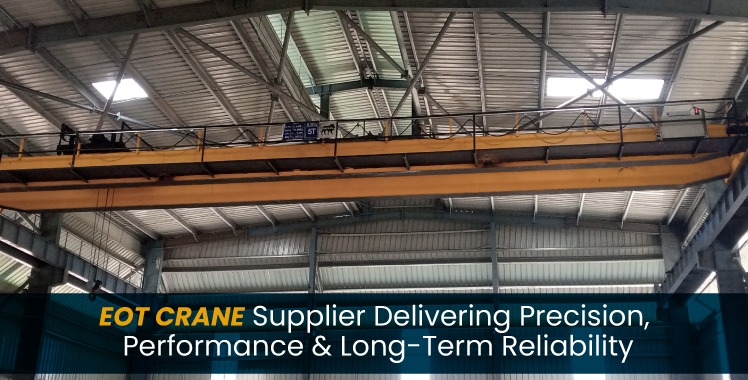
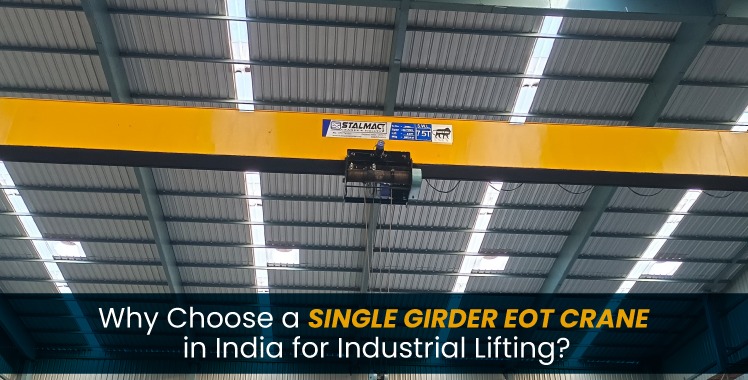
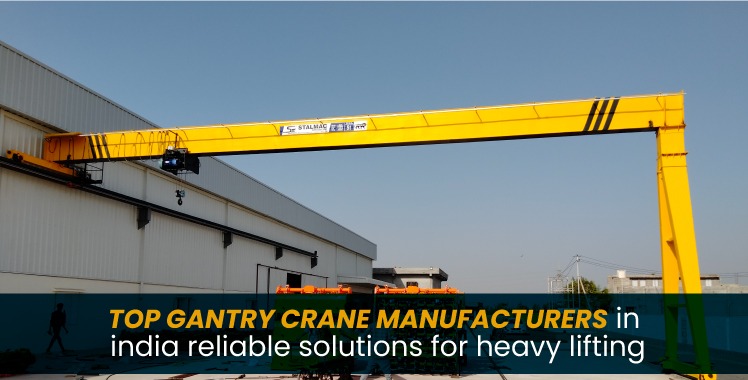
Whether your crane is single girder or double girder affects which hoist will work best with it. Single girder setups are usually more affordable and work well for light to medium loads. Double girder configurations, on the other hand, handle heavier capacities and longer spans, which is why you'll see them more often in shipbuilding yards or large steel handling operations.
5. Where a Semi Gantry Crane Fits In
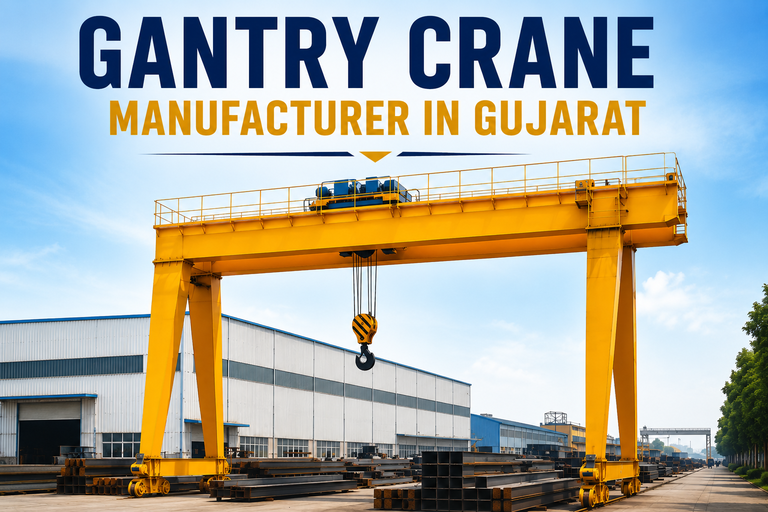
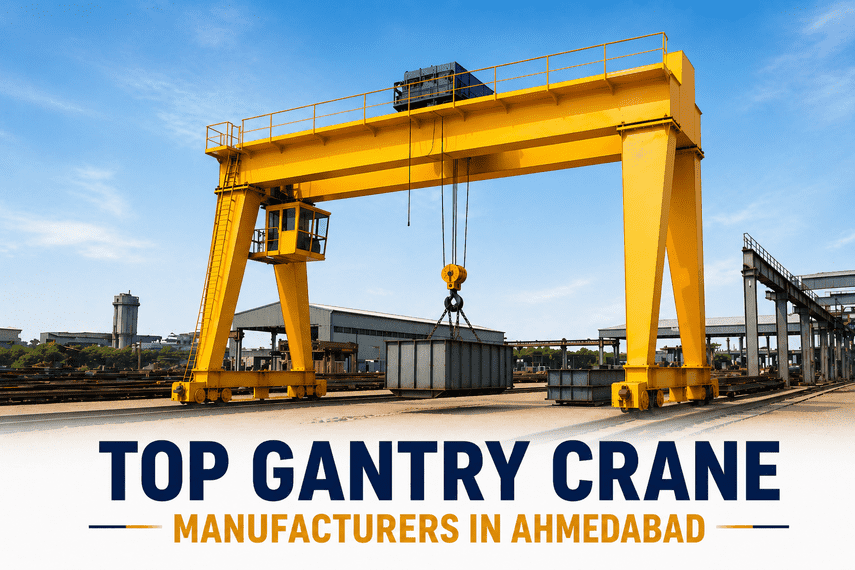
For facilities that just don't have the floor space for a full gantry setup, a Semi Gantry Crane is often the practical answer. One leg runs on a floor-mounted rail, and the other travels along an elevated runway fixed to an existing wall or structure so you get strong lifting performance without eating into your usable floor area.
The catch is that a Semi Gantry Crane creates uneven load support because of this design, so the hoist and trolley need to be engineered to handle that asymmetry properly, especially as capacity and span go up. It's not something to overlook when specifying the system.
Safety Isn't Optional, Here's What to Check
Overload Protection
A good hoist should simply refuse to lift beyond its rated capacity. This one feature alone prevents a large share of the accidents that happen on factory floors, and it protects both your equipment and the people working around it.
Braking Systems
Look for dual braking, one brake to hold the load steady, another to control descent. This matters even more as capacity goes up, since a single point of failure in the braking system on a heavy load is not something you want to risk.
Limit Switches
Upper and lower limit switches stop the hook from traveling too far in either direction, which could otherwise strain or damage the rope, chain, or hoist mechanism. It's a basic feature, but it's also one of the first things worth confirming before you buy.
Emergency Stop Controls
An operator should be able to stop everything instantly, whether they're using a pendant control or a radio remote. This isn't a nice-to-have, it needs to be there, full stop.
Performance Factors That Actually Affect Value Over Time
Speed vs Control
Faster lifting and traversing speeds obviously help throughput, but they need to be balanced against how precisely the operator can control the load especially with awkward or delicate items. Variable speed control gives you the best of both, quick movement for bulk transport, and slower, more precise handling when it's needed.
Motor Quality
The motor is doing the real work here, and its build quality shapes how reliable the hoist is over time. A better motor also tends to be more energy efficient, which adds up quickly if you're running multiple shifts.
How Easy Is It to Maintain?
Hoists built with accessible parts and standardized components make routine servicing far less of a headache. If your crane is central to daily operations, this matters more than it might seem at purchase time, nobody wants a two-day shutdown for a routine service.
Built for the Environment It's In
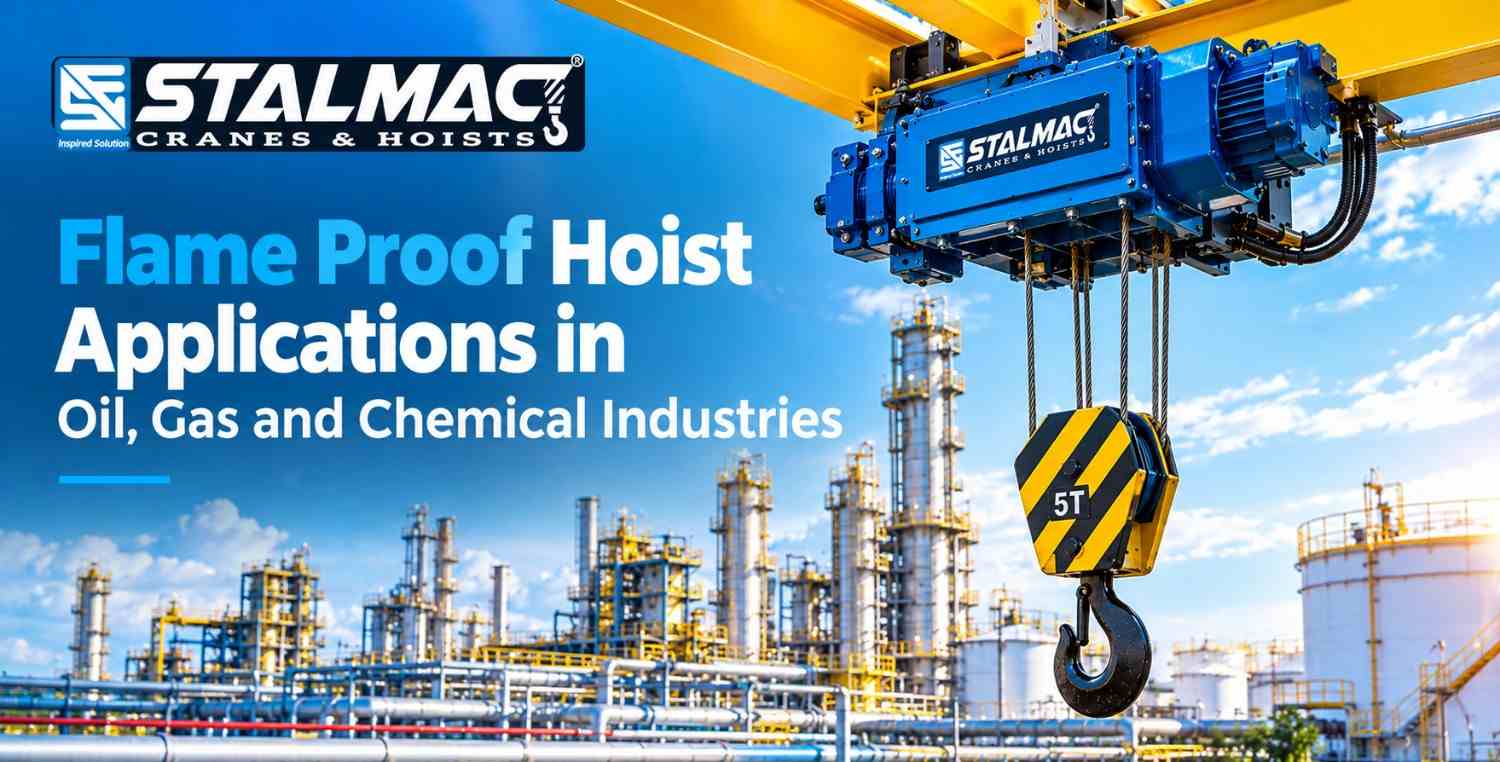
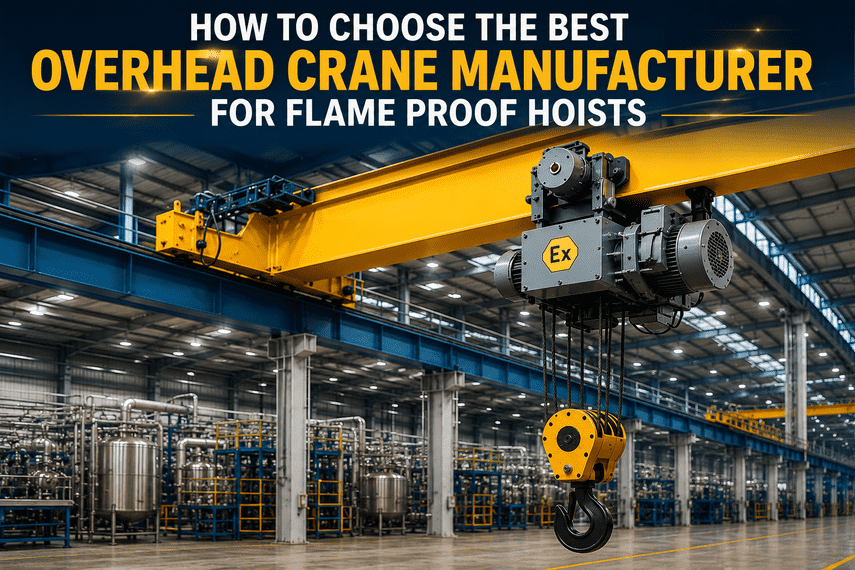
Outdoor sites, ports, shipyards, scrap yards, put hoists through weather, dust and corrosive exposure that indoor equipment never sees. Choosing a hoist with proper sealing, coatings, and corrosion resistance saves you from premature failures down the road.
It Comes Down to the Manufacturer, Too
Specifications on a datasheet only tell part of the story. How the manufacturer engineers, tests, and supports their hoists afterward matters just as much as the numbers on paper.
Stalmac Enterprise builds gantry crane hoists designed around Indian industrial conditions, covering capacities from 2 tons to 100 tons across spans of 5 to 38 meters which covers everything from a compact workshop crane to a large installation for a shipyard or steel plant. As one of the more established Gantry Crane Manufacturers in India, the team works directly with engineers and project managers to figure out the right hoist and crane combination for each site's actual load, duty cycle, and space constraints, rather than just pointing customers toward a standard catalogue item.
FAQ Section
What capacity range do gantry crane hoists typically come in?
Anywhere from around 1 ton for light workshop use up to 100 tons for heavy industrial jobs, with span and lifting height adjusted to suit the site.
How is a Semi Gantry Crane different from a regular gantry crane?
One leg runs on a floor-mounted rail while the other rides along an elevated runway fixed to a wall or structure, it's the go-to choice when floor space is tight.
What safety features actually matter on a gantry crane hoist?
Overload protection, dual braking, upper and lower limit switches, emergency stop controls, and regular checks on rope or chain condition none of these should be skipped.
How often should a hoist be inspected?
A quick visual check before each shift, plus a more thorough mechanical and electrical inspection monthly or as the manufacturer recommends, depending on how hard it's being used.
Can hoists be customized for specific industries?
Yes, capacity, speed, duty rating and environmental protection can all be adjusted depending on whether it's going into a shipyard, a steel mill, an automotive plant, or a warehouse.
Conclusion
Choosing the right gantry crane hoist isn't really about chasing the highest number on a capacity chart. It's about honestly looking at your load requirements, how hard the crane will actually work, the structural setup you're pairing it with, and the environment it'll operate in and then making sure the safety systems are non-negotiable, not an afterthought.
Stalmac Enterprise has spent years designing and building gantry cranes and hoists for real industrial conditions across India, and the team is happy to walk through the right configuration for your facility, whatever stage you're at. If you're planning a new setup or thinking about replacing older equipment, it's worth a conversation before you commit to a spec sheet. Get in touch with Stalmac Enterprise today to discuss your requirements and find the right gantry crane or hoist solution for your industrial application.