Walk into any oil refinery, chemical plant, or gas processing unit and you'll notice something: the environment itself is part of the equipment spec. You can't just pick a hoist because it can lift the right weight. If there's a chance of flammable gas, vapour, or combustible dust in the air, the equipment handling your loads needs to be built for that reality from the ground up.
That's the gap Stalmac Enterprise fills. The company makes flame-proof lifting equipment aimed squarely at the industries where a stray spark isn't just inconvenient, it's dangerous. Think oil warehouses, chemical plants, gas power stations, petrochemical units, refineries and other sites where hazardous conditions are simply part of daily operations.
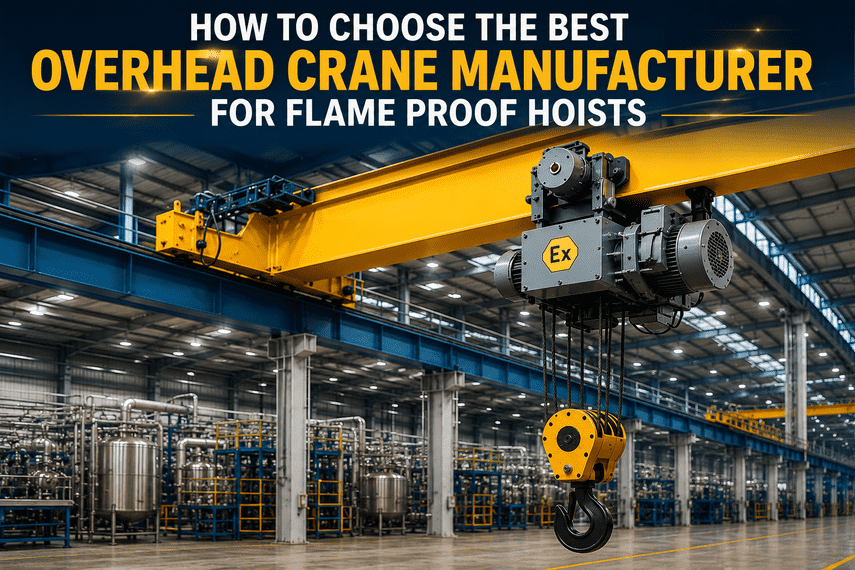
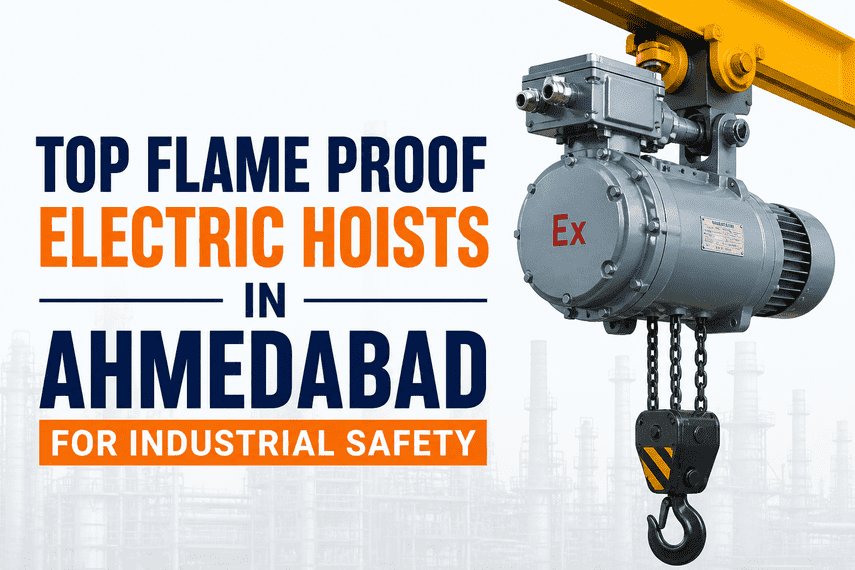
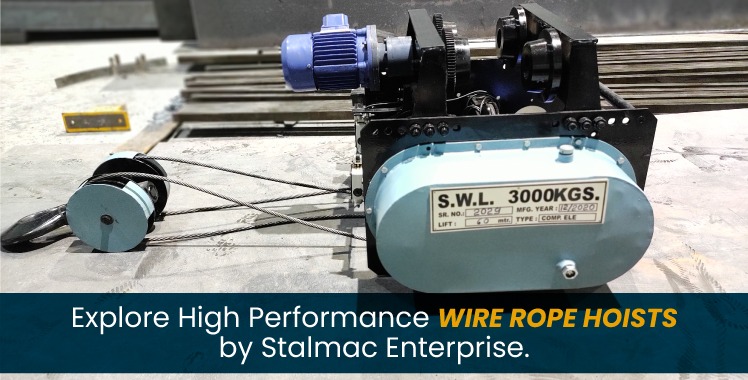
So what makes a hoist flame-proof in the first place? In plain terms, it's a hoist built so that its electrical and mechanical parts won't become an ignition source, even in an atmosphere where one spark could set off a chain reaction. Stalmac's flame-proof hoists are rated for Gas Groups I, IIA, IIB, and IIC, and they're built to match specific hazardous-zone classifications, which matters a lot more than it might sound.
Facilities in the oil, gas and chemical sectors often have zones where flammable substances show up during ordinary work, production, storage, maintenance, you name it. A hoist that would be perfectly fine on a regular factory floor might be entirely wrong for one of these zones, simply because its electrical components weren't designed with that risk in mind.
Flame-proof lifting systems exist to close that gap. They're engineered with protective measures that reduce the risk tied to electrical equipment running in a potentially explosive atmosphere. And the goal isn't just lift the heavy thing, it's doing that reliably, with controlled movement, and with protection built into the whole installation, not bolted on as an afterthought.
Refineries are a maze of processing units, storage sections, and maintenance zones, all of which need dependable lifting equipment at some point. Valves, pumps, mechanical assemblies and tools all have to move, whether that's during installation or routine servicing.
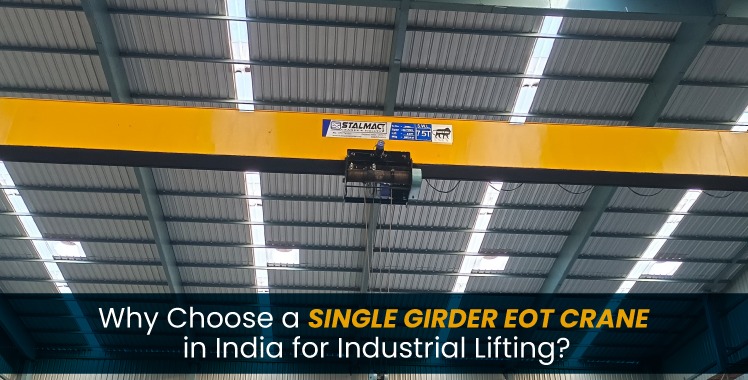
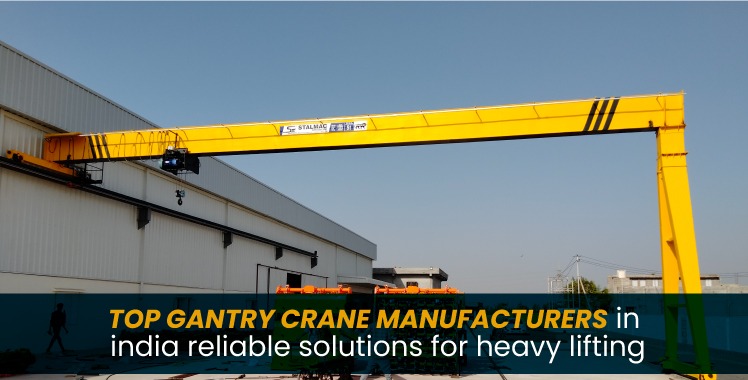
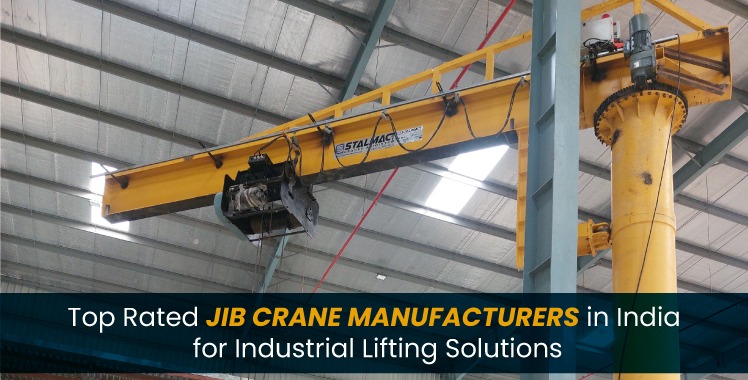
In these settings, a flame-proof hoist typically gets built into a crane or lifting setup so equipment can be handled safely and predictably. But there's no one-size-fits-all configuration here, it depends on the hazardous-area classification, the load, the lift height, and how the equipment will actually be used day to day.
Storage facilities need equipment that can handle materials near tanks, pipelines, and the rest of the surrounding infrastructure. Even routine maintenance swapping out a pump, moving a component requires a hoist that's up to the job.
Here, capacity should be matched to the real load, not a rough estimate. Stalmac's range runs from 250 kg up to 25 tonnes, with lift heights of up to 50 metres, which gives facilities room to configure something that actually fits their operation.
Petroleum sites bring their own maintenance and material-transfer demands. Whether a given hoist is suitable comes down to the specific hazardous area, the environment, the loads involved and the duty class required, not just what's available off the shelf.
The smart move is to evaluate the full application before buying anything, rather than working backwards from a spec sheet.
Flammable gases and vapours are practically a given in gas processing, which is exactly why equipment selection matters so much here. Hoists get called on for maintaining pumps, motors, valves, pipelines and structural components across the plant.
A flame-proof lifting solution makes sense when its specification lines up with the hazardous-area requirements on site, and gas group and zone classification are the two things worth double-checking before anything else.
Power plant equipment needs regular inspection, maintenance and occasionally full replacement. A good lifting system takes a lot of the manual strain out of that process.
Stalmac lists gas power plants directly among the applications for its flame-proof hoists, covering Zone 0, Zone 1, and Zone 2, with Gas Groups IIA, IIB, and IIC. That said, these classifications are a starting point, not a shortcut the final equipment spec still needs to match what the specific installation actually requires.
Chemical manufacturing often involves substances that can create hazardous atmospheres, so lifting equipment here has to handle raw materials, machinery maintenance, and plant modifications without adding risk to the mix.
A flame-proof hoist offers a dedicated solution, provided its protective features actually match what the facility's hazardous-area rating calls for.
Storage areas for chemicals see regular movement of containers, equipment, and maintenance materials. Choosing the right lifting system means thinking through the chemicals on site, the surrounding atmosphere, the weight being lifted, how often it happens, and where exactly the equipment will sit.
Petrochemical plants combine intricate processing systems with heavy material-handling demands, and maintenance crews often need to shift equipment right in the middle of areas where flammable materials are being processed or stored. Stalmac specifically includes petrochemical factories on its list of applications.
A flame-proof hoist has to deliver on two fronts: lifting performance and safe operation. Here's what Stalmac Enterprise builds into its range.
Protected electrical components: Electrical parts, including the motor, get a high level of protection, which matters most in dusty or potentially flammable environments.
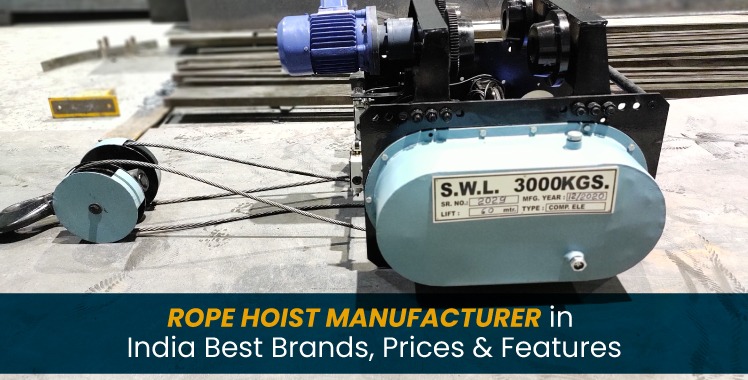
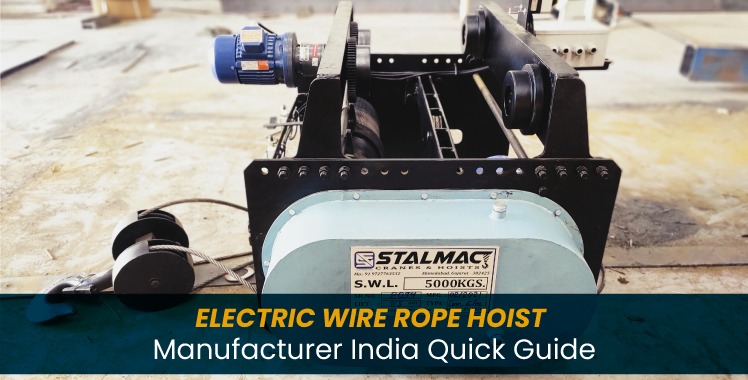
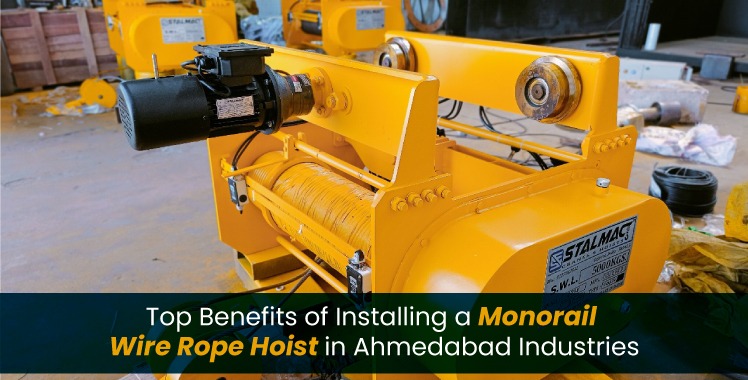
Solid mechanical build: Shafts run on anti-friction bearings, the gearbox is fully enclosed, gears and pinions are precision-machined, and the rope drums are made from seamless pipe. Nothing flashy, just the kind of build that holds up under industrial use.
Braking and limit protection: Disc-type or shoe-type electromagnetic brakes handle the hoisting motion, and upper and lower limit switches keep operation controlled. There's also a safety latch on the hook.
Maintenance-friendly design: The assembly is built to make servicing easier, and the rope guide arrangement is meant to extend rope life rather than let it wear out prematurely.
Picking equipment for a hazardous area isn't as simple as grabbing the highest-capacity model on the list. Here's a more sensible way to work through it.
1. Know your hazardous zone: Pin down the zone classification and the hazardous substance involved before you even start comparing hoists.
2. Work out the real capacity you need: Base this on the heaviest load you'll actually handle, not the average and factor in the operating conditions too.
3. Check the lift height: The available space and required hook travel will shape which configuration actually works. Not enough lift height, and even the best hoist becomes useless.
4. Think about duty cycle: A hoist used occasionally for maintenance has different demands than one running continuously in production.
5. Review the whole installation: The crane, beam, trolley, electrical setup, controls, and available space all need to work together as one system.
Even the right hoist, correctly installed, still needs regular attention. Keep an eye on ropes, hooks, brakes, limit switches, bearings, gearbox parts, and electrical components, and stick to the manufacturer's recommendations alongside your site's own procedures.
If you notice unusual noise, jerky movement, brake issues, visible damage, or any change in how the equipment performs, it's worth investigating before putting it back into use. Keeping proper inspection records also makes it much easier to catch recurring problems early. In hazardous areas, all of this maintenance work should follow procedures suited to the zone classification and the equipment itself.
What is a flame-proof hoist used for?
It's used for lifting and handling loads in industrial settings where flammable gases, vapours, or combustible dust could create a hazard, most commonly in oil, gas, petrochemical and chemical facilities.
Where are flame-proof hoists commonly used?
Oil warehouses, refineries, chemical plants, gas power plants, petrochemical factories, mine quarries, and some wastewater treatment facilities.
What capacity range is available?
Stalmac's flame-proof hoists range from 250 kg to 25 tonnes, with lift heights up to 50 metres. The right choice still depends on your specific application.
What should you check before selecting a hoist for a hazardous area?
Hazardous-zone classification, gas group, required capacity, lift height, duty cycle, installation conditions, electrical requirements, and applicable standards or certifications.
Are flame-proof hoists suitable for every hazardous area?
No. It comes down to the specific equipment spec matching the area's classification, protection level, gas-group compatibility, zone requirements, capacity, and other technical details all need to check out.
Oil, gas, petrochemical and chemical facilities all need lifting systems suited to both their environment and their day-to-day handling requirements. Whether it's refinery maintenance, oil storage, gas processing, or chemical plant work, a properly specified flame-proof hoist supports safe, controlled lifting with hazardous-area considerations built into the decision from the start.
If you're planning a new installation or replacing existing equipment, take the time to assess the hazardous zone, gas group, load capacity, lift height, duty requirements, installation conditions, and applicable standards before you commit. Stalmac Enterprise offers flame-proof hoist solutions for exactly these applications and can help you land on a configuration that fits your facility. Get in touch with the team to talk through your requirements and find the right flame-proof lifting solution for your site.